


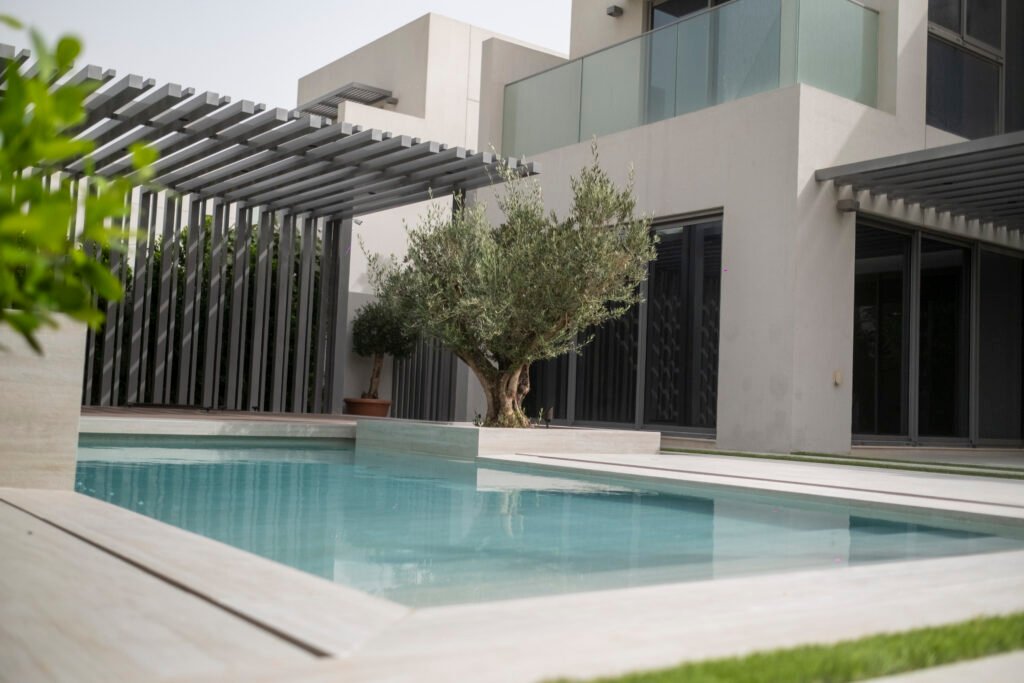
How to Choose the Perfect Lighting for Your Garden
Garden lighting is more than just illumination—it transforms your outdoor space into a beautiful, functional, and inviting area. The right lighting enhances safety, highlights key features, and creates ambiance for evening gatherings. Here’s how to choose the perfect lighting for your garden.
1. Determine the Purpose of Your Garden Lighting
Before selecting lights, decide what you want to achieve:
- Safety and Security: Illuminate pathways, stairs, and entrances to prevent accidents.
- Aesthetic Appeal: Highlight trees, flower beds, water features, and sculptures.
- Entertainment and Ambiance: Create cozy seating areas or outdoor dining spots with soft, warm lighting.
2. Understand the Types of Garden Lighting
A. Ambient Lighting
- Provides overall illumination.
- Options include post lights, wall-mounted lanterns, and string lights.
B. Accent Lighting
- Highlights specific features like statues, trees, or water fountains.
- Use spotlights, uplights, or well lights to draw attention to focal points.
C. Task Lighting
- Functional lighting for areas like outdoor kitchens, BBQ spots, or reading corners.
- Bright, focused lights are ideal for these spaces.
D. Decorative Lighting
- Adds style and personality to your garden.
- Options include fairy lights, LED strips, and lanterns for a festive or cozy vibe.
3. Choose the Right Lighting Technology
- LED Lights: Energy-efficient, long-lasting, and available in various colors.
- Solar Lights: Eco-friendly and easy to install, ideal for pathways or flower beds.
- Low-Voltage Lighting: Safe for home gardens and allows flexibility in design.
4. Consider the Color Temperature
- Warm White (2700–3000K): Creates a cozy and inviting atmosphere.
- Cool White (4000–5000K): Gives a modern and vibrant look, suitable for highlighting plants.
- RGB or Color-Changing LEDs: Perfect for parties or seasonal decoration.
5. Placement and Layering
- Layer different lighting types for depth and dimension: ambient + accent + task.
- Place lights at varying heights: low for pathways, mid-height for seating areas, high for trees and walls.
- Avoid over-lighting; subtle lighting often looks more elegant and natural.
6. Waterproofing and Durability
- Choose fixtures with appropriate IP ratings to withstand outdoor conditions.
- Ensure lights are resistant to dust, heat, and occasional rain.
7. Smart Garden Lighting
- Consider app-controlled or automated lighting systems.
- Schedule on/off times, dimming options, and color changes remotely for convenience and energy efficiency.
Final Thoughts
Choosing the perfect lighting for your garden is about balancing functionality, aesthetics, and efficiency. By understanding your garden’s purpose, selecting the right types of lights, and layering them strategically, you can create a stunning outdoor space that is both safe and visually appealing.